
The whisper of wanting to make a difference often starts as a quiet stir within us—a nascent collection of thoughts on helping others. But how do these well-meaning intentions move from internal contemplation to tangible, meaningful action? It's a journey from pondering impact to actually creating it, transforming abstract compassion into concrete change in our communities and beyond.
At a Glance
- Uncover Your Core Motivation: Understand the deeper "why" behind your desire to help to ensure sustained engagement.
- Bridge Thought to Action: Learn practical strategies for translating good intentions into effective, real-world service.
- Identify Aligned Opportunities: Discover how to find and connect with causes that genuinely resonate with your skills and passions.
- Navigate Common Obstacles: Gain insights into overcoming challenges like time constraints or feelings of inadequacy.
- Embrace Reciprocal Benefits: Recognize that helping others profoundly enriches your own life and well-being.
Beyond Good Intentions: The True Spark of Helping Others
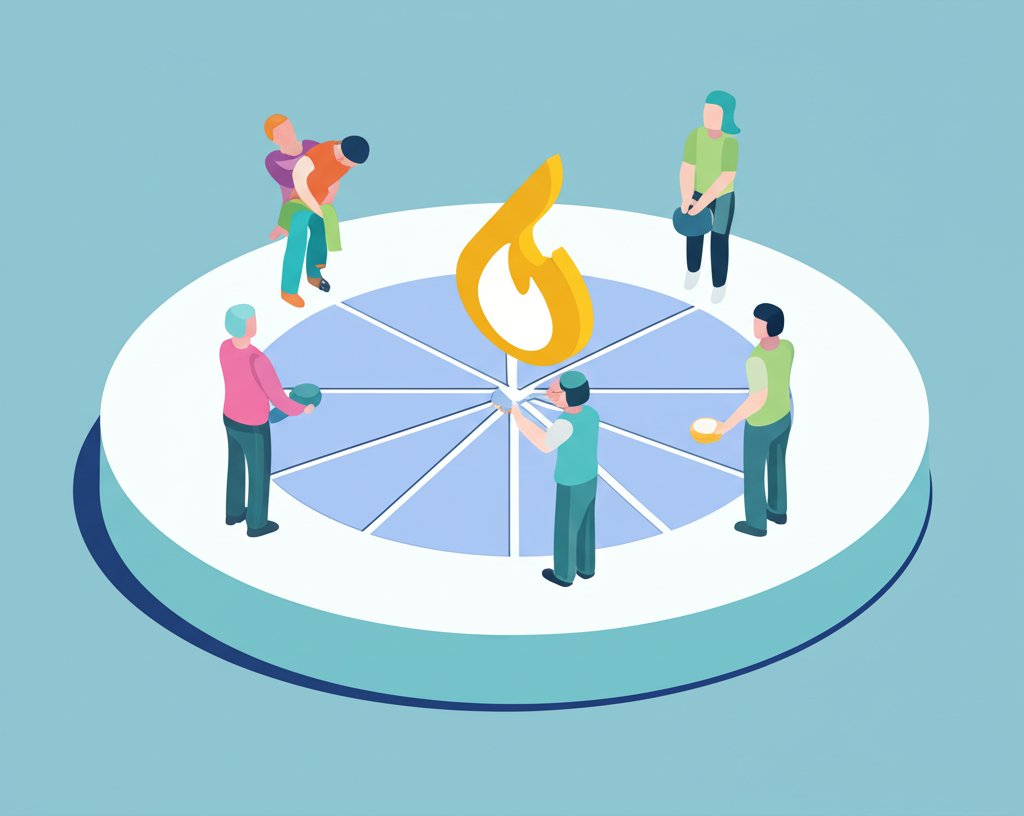
True service isn't just about showing up; it's about connecting deeply with the needs around you. It begins with empathy, that powerful ability to understand and share the feelings of another. When we genuinely feel what others are experiencing, our thoughts on helping others transform from abstract ideas into a compelling call to action.
This connection creates what many call a ripple effect of kindness, compassion, and community. It’s not just about addressing a problem, but about fostering a stronger, more resilient society where everyone feels supported. As Mother Teresa once said, "Love cannot remain by itself – it has no meaning. Love has to be put into action, and that action is service." It highlights that the purest form of love is expressed through active care.
Decoding Your "Why": Finding Your Unique Contribution

Before diving into how to help, it's powerful to understand why you want to. What drives your thoughts on helping others? Is it a personal experience, a deep sense of social justice, or a simple desire to connect? Understanding this motivation is key to finding a fulfilling path to service.
Consider your personal strengths, passions, and even your available time. Elizabeth Andrew reminds us, "Volunteers do not necessarily have the time; they just have the heart." This powerful insight suggests that willingness often outweighs availability when it comes to making a difference. Perhaps you're great at organizing, or maybe you have a knack for listening, or even just a strong pair of hands. Your unique combination of skills and spirit is your biggest asset.
Case Snippet: The Quiet Coder
Sarah, a software developer, initially felt overwhelmed by the scale of global problems. Her thoughts on helping others felt disconnected from her daily life. After some reflection, she realized her "why" was about efficiency and access. She connected with a local non-profit needing a better database for managing donations and volunteers. Her specialized skills, though not directly frontline, transformed their operations, allowing them to serve more people more effectively. This "behind-the-scenes" contribution was invaluable, proving that "the smallest act of kindness is worth more than the grandest intention," as Oscar Wilde observed.
From "Should" to "How": Practical Pathways to Action
Once you've reflected on your motivations and strengths, the next step is moving into practical application. This is where your good intentions become concrete acts of service. It’s about finding the right avenues where your contributions can truly shine.
Step 1: Research and Connect Locally
Start by exploring opportunities within your own community. Local food banks, animal shelters, schools, environmental groups, and senior centers often have ongoing needs. Websites like VolunteerMatch or local community center bulletin boards are excellent starting points. Don't be afraid to reach out directly to organizations that align with your interests, even if they haven't posted a specific role.
Step 2: Start Small, Be Consistent
You don't need to commit to a massive undertaking right away. Small, consistent efforts often have a profound cumulative impact. Vincent van Gogh wisely noted, "Great things are not done by impulse, but by a series of small things brought together." This could mean dedicating an hour a week, or perhaps committing to a monthly event. Consistency builds trust and allows you to develop valuable skills.
Step 3: Leverage Your Strengths (Skills-Based Volunteering)
Think beyond traditional volunteer roles. If you're an accountant, offer pro bono tax services to low-income individuals. If you're a graphic designer, help a charity with their branding or marketing materials. Using your professional skills can be incredibly impactful and personally rewarding. It's a direct way to transform your expertise into tangible community support.
Step 4: Embrace Flexibility and Openness
The needs of organizations can change, and being flexible makes you an even more valuable asset. Sometimes, the most important contribution is being willing to do whatever is needed, even if it's not glamorous. This openness to varied tasks helps build a stronger relationship with the organization and deepens your understanding of their mission. For more diverse perspectives on the power of giving back, check out these Inspiring volunteer quotes.
Navigating the Hurdles: Common Challenges and Solutions
Even with the best intentions, putting your thoughts on helping others into practice can come with challenges. Recognizing these common obstacles and having strategies to overcome them is crucial for sustained engagement.
Challenge 1: Time Constraints
Many people feel they don't have enough free time to make a difference. Juggling work, family, and personal commitments can make even an hour feel impossible.
- Solution: Consider micro-volunteering opportunities that require minimal time, such as online tasks, specific one-off events, or leveraging existing daily routines. Think about the "little bits of good" Desmond Tutu spoke of: "Do your little bit of good where you are. It's those little bits of good put together that overwhelm the world." Group efforts also lighten the load; as Helen Keller said, "Alone we can do so little; together we can do so much."
Challenge 2: Feeling Overwhelmed by the Scale of Need
The sheer number and complexity of problems in the world can make individuals feel their efforts are insignificant.
- Solution: Focus on making an impact for one person or one specific cause. Remember Mike Satterfield's encouraging words: "Even if you just change one life, you’ve changed the world forever." Shifting your perspective from global problems to local solutions can make the task feel more manageable and empowering.
Challenge 3: Uncertainty About Where to Start
With so many causes and organizations, knowing how to begin can be paralyzing.
- Solution: Utilize resources like local community centers, libraries, or online platforms dedicated to connecting volunteers with opportunities. Attend local charity events or open houses to learn more about specific organizations. Sometimes, just expressing interest is enough to get guidance.
Challenge 4: Burnout
Even the most dedicated individuals can experience emotional or physical exhaustion from giving too much without adequate self-care.
- Solution: Set realistic boundaries for your time and energy. It's crucial to practice self-care to sustain your ability to help others long-term. Recognize that saying "no" to an additional task allows you to continue saying "yes" to your core commitments effectively. Reflect on what truly nourishes you, so you can continue to be a source of support for others.
The Unexpected Payoff: How Helping Helps You Back
One of the most profound aspects of putting your thoughts on helping others into action is the reciprocal benefit. While the primary goal is to aid others, the positive impact on the volunteer is often immense and unexpected.
Personal Growth and Self-Discovery: Mahatma Gandhi famously stated, "The best way to find yourself is to lose yourself in the service of others." This isn't about erasing your identity, but about discovering deeper resilience, empathy, and purpose through selfless acts. You learn new skills, confront personal biases, and gain fresh perspectives on life.
Improved Well-being and Happiness: Research consistently shows that helping others can significantly boost personal happiness and reduce stress. Gretchen Rubin confirms this, stating, "Volunteering to help others is the right thing to do, and it also boosts personal happiness." The act of giving triggers the brain's reward system, releasing feel-good chemicals that lead to a sense of contentment and fulfillment.
Stronger Community Connections: Volunteering naturally connects you with like-minded individuals and diverse groups within your community. These connections foster a sense of belonging and strengthen social bonds, which are vital for individual and collective well-being. You become part of a network that cares, making your local area a richer, more supportive place.
A Deep Sense of Purpose: For many, helping others provides a profound sense of meaning that daily routines often lack. Pablo Picasso encapsulated this when he said, "The meaning of life is to find your gift. The purpose of life is to give it away." It’s about recognizing your unique talents and channeling them into something larger than yourself, creating a lasting legacy of positive impact.
Scenario: The Retired Teacher
Mr. Henderson, a retired English teacher, initially felt a void after leaving the classroom. His thoughts on helping others led him to volunteer at a local literacy program. He found immense joy in helping adults learn to read, witnessing their confidence blossom. Beyond the impact on his students, he discovered a renewed sense of purpose, made new friends, and his mental sharpness improved. The act of giving back filled the very void he had feared, confirming that "those who bring sunshine to the lives of others cannot keep it from themselves," as James Matthew Barrie described.
Practical Playbook: Turning Intentions into Impact
Moving from a general desire to help to effective action requires a clear path. Here’s a quick-start guide to operationalize your thoughts on helping others:
Decision Tree for Aspiring Helpers
- What sparks your passion? (Animal welfare, education, environment, elderly, youth, food security, arts, etc.)
- If unsure: Start broadly. Attend local community events, read local news for pressing needs.
- What skills/time/energy do you have? (Professional skills, physical labor, listening, organizing, 1 hour/week, 1 day/month, etc.)
- If limited time: Seek micro-volunteering or one-off event help.
- If specialized skills: Look for skills-based opportunities (pro bono consulting, web design, tutoring).
- What type of engagement do you prefer? (Direct interaction, behind-the-scenes, online, group activities, individual tasks.)
- If direct interaction: Choose roles like mentoring, serving meals, visiting seniors.
- If behind-the-scenes: Opt for administrative tasks, data entry, research, grant writing.
- How can you find opportunities?
- Online: VolunteerMatch, Idealist, local United Way, specific non-profit websites.
- Local: Community centers, libraries, faith-based organizations, public health departments, word-of-mouth.
- Direct Approach: Contact organizations you admire, even if no open positions are listed.
Quick Answers: Your Questions About Helping Others
It's natural to have questions as you consider acting on your thoughts on helping others. Here are some common ones:
Q: Do I need special skills or qualifications to help others?
A: Not at all. While specialized skills are often valuable, many organizations primarily need a willing heart and a commitment to show up. Basic tasks like sorting donations, offering a friendly smile, or simply lending an extra pair of hands are often priceless. As Mother Teresa articulated, "it is not how much we do, but how much love we put in the doing."
Q: How much time do I really need to commit to make a difference?
A: The amount of time is entirely up to you and what you can sustainably offer. Even 30 minutes a week or a few hours a month can create significant impact over time. The key is consistency, even in small doses. "The smallest act of kindness is worth more than the grandest intention," reminds us Oscar Wilde.
Q: What if I feel awkward or ineffective when I first start helping?
A: That's a very common feeling! Most new volunteers experience a learning curve. Be patient with yourself, ask questions, and embrace the process. Organizations are usually grateful for any help and will guide you. The act of trying and showing up is what truly matters.
Q: Is it okay to expect personal satisfaction or happiness from helping others?
A: Absolutely. While altruism means giving without expecting a return, the personal satisfaction, sense of purpose, and boost in well-being are natural and positive outcomes. This reciprocal benefit is one of life's "most beautiful compensations," as Ralph Waldo Emerson noted, where "no man can sincerely try to help another without helping himself."
Answering the Call to Serve
The journey from forming thoughts on helping others to actively making a difference is deeply personal, yet profoundly universal. It’s about taking those internal stirrings of compassion and transforming them into meaningful engagement with the world around us. Whether through grand gestures or quiet, consistent efforts, every act of service contributes to a larger tapestry of kindness and community.
Remember, the world needs all the good you can do, no matter how small it may seem initially. Your unique perspective, skills, and heart are invaluable. Take that first step, connect with a cause that resonates, and experience the transformative power of giving back—not just for others, but for yourself too.