
The weight of past hurts can feel like an invisible chain, tethering you to moments, people, or even versions of yourself that no longer serve you. It’s a common human experience to cling to pain, resentment, or what-ifs, often without realizing the heavy toll it takes on your present and future. But what if a simple collection of hurt let go quotes could offer the very leverage you need to break free?
This isn’t just about reciting pretty words. It's about finding potent reminders that resonate deep within, helping you acknowledge the pain, understand the power of release, and ultimately, liberate your heart. Think of these insights as a compass guiding you through the often turbulent waters of healing, acceptance, and moving forward.
At a Glance: Key Insights on Letting Go of Hurt
- Holding on hurts more: Often, the act of clinging to pain causes more suffering than the initial wound.
- Time is a healer (with your help): Pain diminishes, but actively letting go accelerates healing.
- Self-love is release: Choosing to let go of hurt is a profound act of self-care.
- Acceptance, not forgetting: Letting go isn't about erasing memories, but about accepting what happened and its place in your past.
- Forgiveness frees you: Releasing resentment is a gift you give yourself, not an endorsement of what hurt you.
- Endings are new beginnings: Every goodbye creates space for something better.
- It's a skill, not a weakness: Learning to let go is a sign of strength and emotional intelligence.
- Action is key: Don't wait for healing to magically appear; choose to act and reclaim your peace.
The Quiet Damage of Holding On: Why Letting Go Is Your Greatest Act of Self-Care
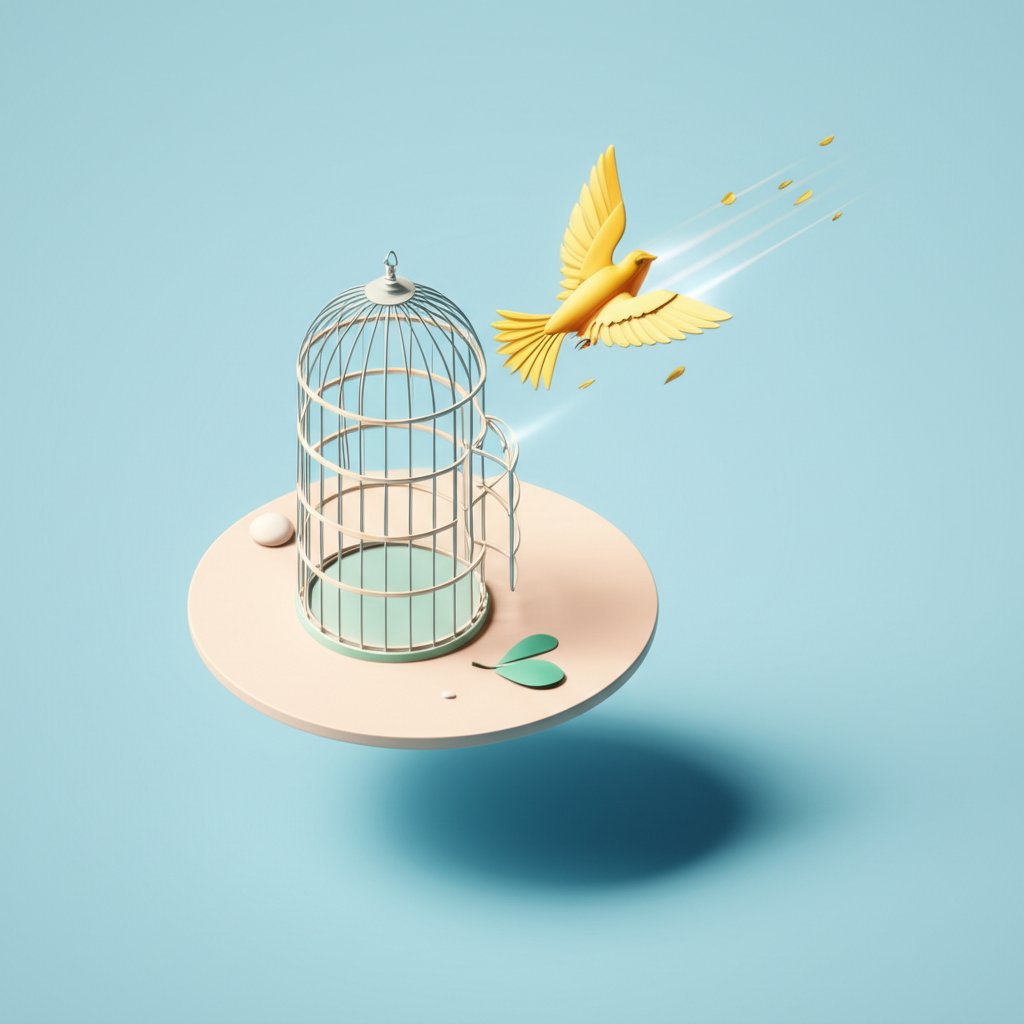
We’ve all been there: replaying a painful conversation, reliving a betrayal, or brooding over a missed opportunity. This mental loop can feel productive, as if by dissecting the hurt enough times, you might find a different outcome or a hidden lesson. The truth, however, is often the opposite. Prolonged rumination doesn't bring solutions; it deepens the grooves of pain.
Consider this: "Sometimes holding on does more damage than letting go." This isn't just a catchy phrase; it's a stark reality check. When you hold onto hurt, you're essentially allowing the past to continue dictating your present emotional state. It impacts your relationships, your perception of new experiences, and even your physical well-being. Chronic stress, anxiety, and a pervasive sense of sadness are often the unwelcome companions of unresolved pain.
"Letting go of hurt is loving yourself." This simple statement cuts to the core of the issue. You deserve to be free from the lingering shadow of past wounds. It’s an act of radical self-compassion to say, "Enough. I choose peace." This choice isn't about denying the reality of what happened, but about refusing to let it define your future. Instead of allowing old wounds to fester, you create space for something new. That's why choosing a let something go quote can be the catalyst for genuine change, reminding you that your peace is paramount.
You might hear people say, "The pain will pass, just give it time." While time does play a role, it's not a passive process. Time offers the opportunity for healing, but you must actively participate. Releasing the pain makes space for peace, allowing you to breathe again, unburdened by yesterday's sorrows. It's about consciously choosing to "Heal by letting go, not holding on."
When the Bell Tolls: Recognizing the Right Time to Release

How do you know it's truly time to let go? It's not always a dramatic epiphany. Often, it's a slow realization, a gnawing feeling that something has to change. The ground truth here is clear: "The clock doesn’t wait—neither should you." Life moves forward, and if you remain anchored to the past, you'll find yourself increasingly out of sync with the present and unable to embrace the future.
Ask yourself: Is this hurt still serving me? Is it teaching me something new, or merely replaying an old, worn-out tape? When the answer is the latter, it's a strong indicator. "Release what delays your destiny." That "destiny" isn't some grand, preordained path; it’s simply your potential for joy, growth, and connection in this moment. If a past hurt is blocking that, it's time to sever the ties.
Quotes on this theme emphasize urgency and self-preservation:
- "When it’s time to go, don’t hesitate."
- "Your new beginning starts with goodbye."
- "The longer you hold on, the heavier it gets."
Imagine carrying a backpack full of rocks. Each rock represents a past grievance, a disappointment, a heartbreak. Initially, you might manage, but over time, the weight becomes unbearable. "Time is too precious to spend on what drains you." This isn't just about big, traumatic events; it can also apply to lingering resentment towards minor slights or unfulfilled expectations. Making peace with these endings, whether they're relationships, old dreams, or simply outdated narratives, is crucial. For specific advice on relationships, you might look for Quotes for letting people go to help you navigate those particularly tough goodbyes.
"Growth begins where comfort ends." It's uncomfortable to confront pain, to admit you need to change, and to release what feels familiar, even if it's painful. But true growth lies beyond that comfort zone. Endings are often life’s invitation to begin again, a chance to shed old skin and step into a more authentic, peaceful self.
Red Flags That Signal It's Time to Let Go:
- Obsessive thoughts: You constantly replay events or conversations.
- Emotional exhaustion: You feel drained, irritable, or perpetually sad.
- Physical symptoms: Headaches, stomach issues, or chronic fatigue without clear medical cause.
- Stagnation: You feel stuck, unable to move forward in your personal or professional life.
- Impact on new relationships: Old hurts prevent you from trusting or connecting with others.
- Loss of joy: You find it difficult to experience happiness or enthusiasm.
The Art of Unclinging: Learning to Let Go as a Life Skill
Many people view letting go as a form of surrender or even weakness. They worry that releasing pain means excusing bad behavior or forgetting important lessons. This couldn't be further from the truth. Learning to let go is not about forgetting; "it means accepting." It’s a sophisticated skill, a mark of emotional intelligence, and a pathway to resilience.
"Growth starts with acceptance." Before you can release, you must acknowledge what happened. You don't have to like it, but you do have to accept its reality. From that point of acceptance, you can begin the work of detaching. "You grow when you release control." Much of our clinging comes from a desire to control outcomes, to make things fair, or to prevent future pain. But life often presents situations beyond our control. Surrender doesn’t mean defeat; it means finding peace within the things you cannot change.
Consider these profound lessons from the journey of release:
- "Learning to let go means trusting the unknown."
- "The lesson is in the release."
- "Detachment is powerful."
- "Letting go teaches what holding on never could."
When you truly master this art, you become lighter. "The more you release, the lighter you become." This lightness isn't just metaphorical; it translates into less anxiety, more mental clarity, and a greater capacity for joy. It frees up mental and emotional bandwidth that was previously consumed by past hurts. Ultimately, "Letting go makes room for something better." It's an act of creating possibility, inviting new experiences, relationships, and peace into your life.
The Path to Forgiveness: A Gift You Give Yourself
One of the most challenging aspects of letting go, particularly when you’ve been deeply wronged, is forgiveness. Misconceptions abound: people often think forgiving means condoning the behavior, forgetting the pain, or reconciling with the person who hurt them. None of these are true.
"Forgiveness is freedom." This is the core truth. When you hold onto anger, resentment, or a desire for retribution, you are the one imprisoned. Those grudges are like poison, slowly eroding your inner peace. "Forgive for your own healing." This isn't about them; it's about you. It's about releasing the heavy weight of anger that tethers you to the past.
Think of resentment as a chain linking you directly to the person or event that caused you pain. Every time you feel that anger, the chain tightens. Forgiveness cuts that chain. "You free yourself by forgiving." It doesn’t excuse what happened, nor does it mean you have to forget the lesson learned. It means you choose to no longer carry the emotional burden of that event.
Here are a few more guiding truths about forgiveness:
- "Forgiveness doesn’t excuse, it empowers."
- "Resentment chains you to pain."
- "Forgive, not because they deserve it, but because you do."
The act of forgiving allows you to reclaim your emotional energy and redirect it towards healing and growth. It's a powerful declaration that you are no longer willing to let someone else's actions dictate your inner state. It's a radical act of self-love, allowing you to truly "Free your heart with forgiveness."
The Power of Goodbye: Crafting Your New Beginning
Sometimes, letting go means saying a definitive goodbye. This isn’t always easy, especially if it involves people you once cared for or dreams you once cherished. Yet, "Goodbye is the first step to freedom." It’s an acknowledgment that some chapters aren’t meant to be reread, and not everything is meant to stay.
Saying goodbye isn't a failure; it's a necessary step in evolving. "Sometimes goodbye is the kindest act," especially if a relationship or situation has become toxic, draining, or simply no longer aligns with your growth. It’s an act of setting boundaries, protecting your peace, and honoring your own journey.
Consider these powerful truths about endings:
- "Saying goodbye is saying yes to new beginnings."
- "Let go with gratitude." (Even for painful experiences, you can be grateful for the lessons they taught you).
- "Endings are part of the journey."
- "Parting is powerful."
When you let people go, or release situations that no longer serve you, you’re creating space for something genuinely aligned with who you are becoming. "Let go of what no longer fits your life." This could be an old job, a friendship, a belief system, or even an identity you've outgrown. Closure doesn't always come from an apology or a perfect explanation; sometimes, "closure starts with goodbye." It’s a decision you make for yourself, an internal declaration that you are ready to move on. "Goodbye is not failure—it’s freedom. Endings are disguised blessings."
Short, Sweet, and Profound: Quick Reminders to Release
Sometimes, you don't need a lengthy explanation; you just need a quick, punchy reminder to re-center yourself. These short affirmations can be incredibly powerful in the moment, cutting through mental clutter and bringing you back to the present.
Keep these simple yet profound statements in your mental toolkit:
- Let it go.
- Release and rise.
- Move on.
- Drop the weight.
- Peace begins within.
- No more chains.
- Goodbye, past.
- Heal and grow.
- Just breathe.
- Walk away.
- Set yourself free.
- Choose peace.
- Start fresh.
- Embrace change.
- Let it be.
These are the kind of concise prompts you find when searching for Short Let Them Sayings, designed to offer immediate perspective and empower you to choose freedom in that very instant. They remind you that the power to release lies within you, always available to be activated.
Beyond the Words: Actionable Steps to Truly Let Go
Reading quotes is inspiring, but inspiration needs action to manifest change. Here’s how you can move from appreciating these powerful sentiments to actively integrating them into your life.
1. Acknowledge and Validate Your Pain
Before you can let go, you must acknowledge what you're holding onto. Suppressing pain only prolongs it. Give yourself permission to feel angry, sad, disappointed, or frustrated. Journal about it, talk to a trusted friend or therapist, or simply sit with the emotion without judgment. "You are not what hurt you." Your feelings are valid, but they don't define your worth.
2. Identify What You Need to Release
Be specific. Is it a person, a relationship, a past event, a dream deferred, guilt, or even an outdated expectation of yourself? Clearly naming it gives you power over it. Is it a specific injustice? A past failure? The memory of a loved one who passed? Once you name it, you can direct your energy toward releasing that specific burden.
3. Practice Mindful Detachment
This isn't about becoming cold or indifferent. It’s about creating emotional distance. When a painful thought arises, acknowledge it ("I'm having a thought about X") but don't engage with it. Imagine it as a cloud passing in the sky. You see it, but you don't chase it. Mindfulness practices like meditation can be incredibly helpful here, teaching you to observe thoughts without attachment.
4. Reframe Your Narrative
Often, we get stuck in victim narratives. While acknowledging your hurt, try to shift your perspective. What lessons did this experience teach you? How did it make you stronger, wiser, or more compassionate? "Pain teaches, but peace heals." Can you find a glimmer of growth, even in the darkest moments?
5. Set Clear Boundaries
If the hurt involves another person, establishing healthy boundaries is crucial. This might mean limiting contact, having difficult conversations, or even walking away permanently. Boundaries protect your energy and signal to yourself and others that your peace is non-negotiable.
6. Seek Support
You don't have to navigate this alone. A therapist can provide tools and strategies for processing difficult emotions and developing coping mechanisms. Friends, family, or support groups can offer empathy and understanding. Sometimes, simply having someone listen without judgment is a powerful release.
7. Ritualize Your Release
Create a symbolic act of letting go. This could be writing down your pain and then safely burning the paper, releasing a balloon, planting a tree, or even having a private ceremony. The physical act can help solidify the internal decision to release.
8. Focus on the Present
Living in the past means missing out on the beauty of the present. Engage in activities that bring you joy, practice gratitude, and immerse yourself in new experiences. The more you cultivate a rich and fulfilling present, the less power the past will hold.
Your Journey Starts Now: The Urgency of Healing
The constant refrain from the wisdom of letting go is clear: "Don’t wait—start now." The moment you decide to release your grip on past hurts, you reclaim your power. It's an active choice, a commitment to your own well-being. "No more waiting for change. It’s time to reclaim your peace."
This isn't about being perfectly healed overnight. It's about taking that first brave step and then continuing, one conscious decision at a time. "Choose release over resistance." Resistance only tightens the chains of pain. Embracing the journey of letting go opens the door to immense personal growth and a deeper sense of self.
Every day is an opportunity to make this choice. "Now is the perfect time to let go." Don't delay your healing any longer. Inspiring Let Go Quotes often highlight the immediate benefits of this choice, reminding you that peace isn't a distant future, but a present possibility. "Let go and level up." This is your chance to step into a lighter, more vibrant version of yourself.
Remember: "The time to heal is today. Move forward with courage." You are stronger than you think, and your capacity for resilience is profound. The act of letting go is not just about moving away from pain; it's about moving towards a life filled with greater peace, joy, and freedom. It’s a journey worth taking, and it begins with you, right now.