
When the weight of daily struggles feels overwhelming, and you find yourself whispering "I give up," it's natural to seek solace or a new perspective. Many turn to "give up with life quotes" not to endorse outright surrender, but to understand if letting go is truly the path to peace and renewed strength. This isn't about quitting on your potential, but rather discerning what battles are worth fighting and when releasing your grip on a particular outcome or situation becomes the smartest, most empowering move.
At a Glance: Finding Strength in Letting Go
- Discern between strategic release and true surrender: Understand when "giving up" is an act of wisdom, not weakness.
- Identify the root cause of your exhaustion: Pinpoint what specific struggles are draining you.
- Leverage quotes for perspective shifts: Use powerful statements to reframe feelings of defeat into opportunities for growth.
- Embrace acceptance as a first step: Recognize that acknowledging reality paves the way for healing and new directions.
- Develop a clear "letting go" strategy: Learn how to disengage from unhelpful paths and consciously create space for new beginnings.
- Rebuild with resilience: Understand that giving up on one thing often liberates energy for building something better.
The Nuance of "Giving Up": When It's a Strategy, Not a Surrender
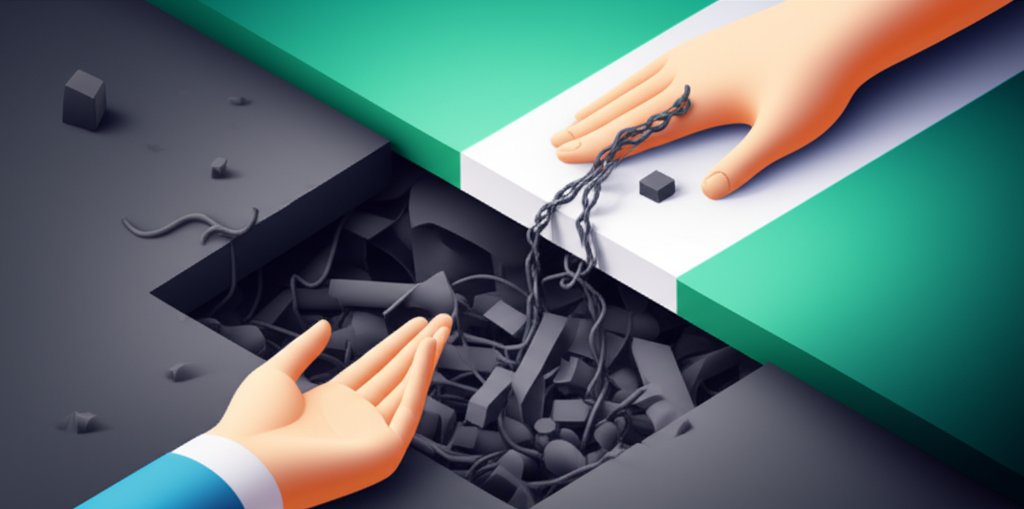
The phrase "I give up" often carries a heavy stigma, conjuring images of failure and weakness. Yet, in life's complex tapestry, there's a profound difference between abandoning a worthy pursuit and strategically letting go of something that no longer serves your well-being or progress. Sometimes, holding on to a dead-end relationship, a toxic job, or an unachievable ideal consumes valuable energy that could be better spent elsewhere.
Recognizing this distinction is crucial. Giving up on a dream because of a minor setback is detrimental. Giving up on a draining obsession that consistently leaves you depleted, however, can be a courageous act of self-preservation. It's about redirecting your efforts, not ceasing them altogether.
Identifying Your "Why": What Are You Really Giving Up On?
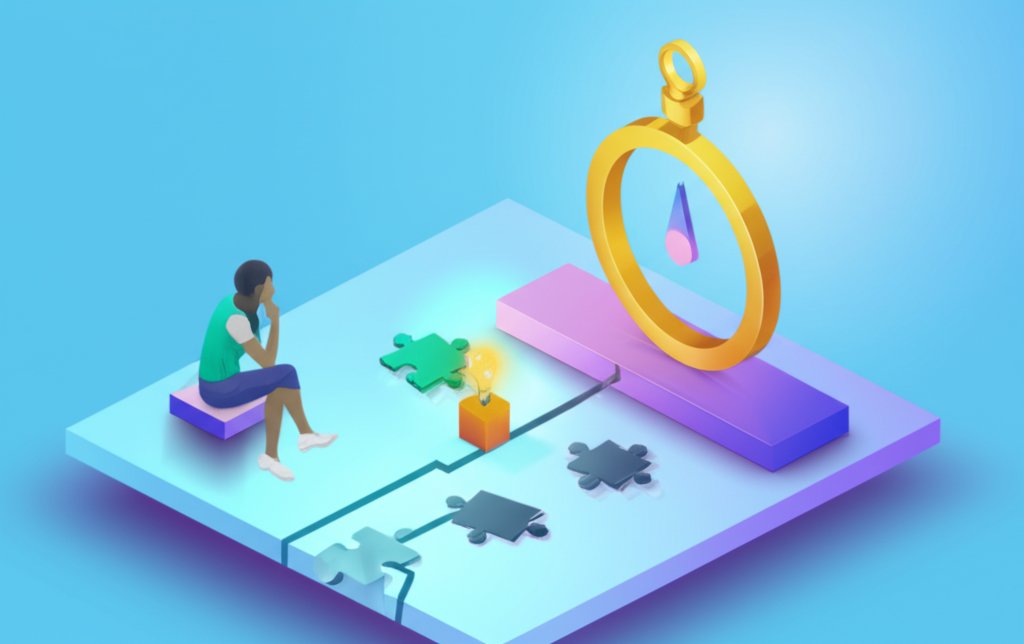
Before you lean into "give up with life quotes" for guidance, take a moment to understand the specific nature of your current struggle. Are you feeling defeated by a project that isn't working, a relationship that's become a constant drain, or perhaps an internal battle with self-doubt? Pinpointing the source of your exhaustion is the first step toward deciding whether to persevere or pivot.
Imagine Sarah, an aspiring entrepreneur, spending years on a startup that simply isn't gaining traction despite her best efforts and significant financial investment. Is she giving up on her dream of entrepreneurship, or is she giving up on this particular business model that has proven unsustainable? The clarity here is vital. If she pivots to a different venture, she's not a quitter; she's a strategic learner.
Quotes as Catalysts: Shifting Your Perspective
"Give up with life quotes" can act as powerful mental prompts, helping you reframe your perception of quitting. They encourage you to see letting go not as an admission of defeat, but as a deliberate choice for peace, growth, or a fresh start. These quotes often fall into several thematic categories, each offering a unique lens through which to view your situation.
Embracing "Letting Go" for New Space
Many powerful quotes center on the idea that letting go isn't about loss, but about creating space. When you release something that isn't working, you free up physical, mental, and emotional energy. This newfound space is crucial for anything new and positive to enter your life.
- Mini-Example: A quote like "Some of us think holding on makes us strong, but sometimes it is letting go" (Hermann Hesse) reminds us that strength often comes from releasing attachments. This helps someone like Mark, who's been clinging to a frustrating career path, realize that letting go isn't weakness but a strategic move towards a more fulfilling role.
Finding Strength in "Acceptance"
Sometimes, "giving up" means accepting a reality you can't change. This isn't resignation; it's a profound act of peace. Acceptance allows you to stop fighting against what is and redirect your energy towards what you can influence.
- Case Snippet: After a significant personal loss, Emily found herself constantly replaying "what ifs." A quote emphasizing "acceptance is the first step toward change" helped her acknowledge the unchangeable past, allowing her to mourn deeply and then begin planning for her future without being tethered to regret.
"New Beginnings" from Every End
Every end is, by definition, a new beginning. When you "give up" on a particular path, you're not just closing a door; you're often opening a window to unforeseen opportunities. This perspective is vital for transforming feelings of defeat into excitement for the future.
- Practical Tip: Keep a journal of quotes that resonate with you. When feeling stuck, reread those focused on new beginnings. For instance, "The art of life is to know when to hold on and when to let go, and how to embrace the new beginnings that follow."
Building "Resilience" Through Strategic Retreat
True resilience isn't just about enduring hardship; it's also about knowing when to step back, reassess, and choose a different approach. Sometimes, "giving up" on a particular strategy is the most resilient move you can make. It's a tactical retreat, not a full surrender from the overall goal.
This reframing of "giving up" can be deeply transformative. For a broader collection of insights and inspiring words that tackle this complex emotional landscape, you can Find strength in letting go and explore how these sentiments can guide you toward greater resilience and peace.
The Power of Release: Making Space for What's Next
Once you've identified what you're letting go of and why, the act of releasing needs intentionality. It's not just a thought; it's a process that often involves physical, emotional, and practical steps.
- Acknowledge and Grieve (if necessary): Even if it's the right decision, letting go can come with a sense of loss. Allow yourself to feel it without judgment. This validates your past efforts and helps you move forward cleanly.
- Declare Your Intention: Verbally or in writing, state clearly what you are letting go of. This formalizes the decision and can be a powerful psychological anchor. "I am letting go of the need for this specific outcome," or "I am releasing my attachment to this person's validation."
- Take a Symbolic Action: This could be deleting old emails, physically putting away items related to the past struggle, or even a small ritual like writing down your frustrations and then safely burning the paper. Such actions cement the mental decision in the real world.
- Redirect Your Energy: Immediately follow up by allocating the energy you once spent on the struggle to something positive and new. If you gave up on a toxic friendship, invest that time in nurturing healthy connections or a new hobby.
Rebuilding Your Foundation: Actionable Steps After Letting Go
Giving up on something doesn't mean becoming passive. It means actively engaging in building something better. This phase is critical for ensuring that "giving up" truly leads to renewed strength and purpose.
1. Define Your New Direction
Now that you've released a burden, what do you want to create? This might be a vague idea at first, but begin to sketch out possibilities.
- Example: If you "gave up" on a specific career path, don't just wallow. Start researching new industries, networking with people in fields that intrigue you, or taking online courses to acquire new skills.
2. Set Realistic, Small Goals
Overhauling your life immediately can be daunting. Break down your new direction into manageable, bite-sized goals. Celebrate each small victory.
- Actionable Advice: If your goal is "more peace," start with 10 minutes of meditation daily or a technology detox hour. These small, consistent wins build momentum and self-trust.
3. Cultivate a Supportive Environment
Surround yourself with people who uplift you and situations that foster your growth. This might mean setting boundaries with negative influences or actively seeking out communities aligned with your new goals.
- Case Snippet: After letting go of a demanding volunteer role that consumed all her free time, Maria joined a local hiking group. The physical activity, fresh air, and new, positive friendships significantly boosted her mood and energy levels, proving the power of a supportive environment.
4. Practice Self-Compassion
There will be days when doubt creeps in, or you question your decision to let go. Treat yourself with the same kindness and understanding you would offer a friend. Recognize that growth is not linear.
- Expert Insight: Dr. Kristin Neff, a leading researcher in self-compassion, emphasizes that self-compassion involves three components: self-kindness, common humanity (recognizing suffering is part of the human experience), and mindfulness. Applying these can help navigate post-letting go challenges.
Practical Playbook for Deciding When to "Give Up"
This isn't a definitive checklist, but a guide to help you reflect on your situation:
| Question | Insight | Decision Point |
|---|---|---|
| Is this struggle consistently draining my energy without significant return? | Constant depletion without meaningful progress is a red flag. | Consider letting go: Your energy is finite; redirect it to more fruitful endeavors. |
| Have I tried multiple approaches and exhausted all reasonable options? | Persistence is key, but stubbornness in the face of insurmountable odds is not. | Consider letting go: If the path is truly blocked, a new path is needed. |
| Is this situation causing me significant mental, emotional, or physical harm? | Your well-being is paramount. No outcome is worth sacrificing your health. | Strongly consider letting go: Prioritize your health and peace above all else. |
| Does holding on prevent me from pursuing other, potentially more fulfilling opportunities? | Opportunity cost: What are you missing out on by staying tethered to this? | Consider letting go: Free yourself to explore new possibilities. |
| Am I holding on out of fear (of failure, judgment, the unknown)? | Fear is a powerful motivator, but it can also be a paralyzing one. Differentiate fear from genuine hope. | Reflect carefully: If fear is the primary driver, address it; if not, re-evaluate. |
| What would my life look like if I successfully let this go? | Visualize the positive change. This can be a powerful motivator for strategic release. | Plan for release: If the vision is brighter, start outlining steps to get there. |
Quick Answers: Common Questions About Giving Up
Is "giving up" ever a sign of strength?
Absolutely. Knowing when to stop investing in a lost cause, a toxic relationship, or an unsustainable path is a profound act of self-awareness and strength. It conserves your resources for battles you can win and futures you can build. It's giving up on the wrong thing to make way for the right thing.
How do I distinguish between quitting prematurely and strategic letting go?
Premature quitting often stems from fear, impatience, or a lack of effort. Strategic letting go, conversely, usually follows significant effort, reflection, and an honest assessment that continued persistence is either futile or detrimental to your overall well-being. It's a deliberate decision, not an impulsive reaction.
What if I regret giving up?
Regret is a possibility in any major life decision. However, many who strategically let go find that the relief and freedom outweigh any initial regret. To minimize regret, ensure your decision is informed, thoughtful, and aligned with your core values. If regret does arise, practice self-compassion and learn from the experience, treating it as another step in your growth journey.
Can "give up with life quotes" really help me make a decision?
Quotes themselves don't make decisions for you, but they can be incredibly powerful tools for shifting perspective, validating your feelings, and clarifying your thoughts. They offer distilled wisdom from others who have navigated similar emotional landscapes, providing a mental framework to process your own situation more effectively.
Your Path to Renewed Strength
Feeling the impulse to "give up with life" doesn't have to be a dead end. Instead, it can be a pivotal moment—a signpost prompting you to re-evaluate, re-prioritize, and potentially pivot towards a more fulfilling existence. By understanding the nuanced power of strategic release, leveraging the wisdom in "give up with life quotes," and taking deliberate steps to rebuild, you're not surrendering. You're simply clearing the ground, making way for the strength, peace, and new beginnings you truly deserve. Start by identifying one thing you're holding onto that drains you, then visualize the freedom you'd gain by letting it go. The first step towards a lighter future often begins with a conscious release.