
Cultivating a compassionate life often begins with a simple, yet profound, commitment: to be a nice person. It’s a choice that shapes not just our interactions, but our inner world. While some might dismiss "be a nice person quotes" as mere platitudes, they are, in fact, powerful distillations of wisdom, offering concise blueprints for a more empathetic existence and acting as potent reminders that deliberate kindness is a superpower we all possess.
At a Glance
- Understand True Niceness: Distinguish between superficial pleasantries and genuine, impactful kindness.
- Embrace Small Acts: Discover how even the smallest gestures can create significant ripple effects.
- Cultivate Inner Kindness: Learn to foster a compassionate mindset that informs your external actions.
- Overcome Kindness Roadblocks: Gain strategies for maintaining kindness even in challenging situations.
- Reap Personal Rewards: See how being nice profoundly benefits your own well-being and happiness.
- Actionable Steps: Get practical tips to integrate kindness into your daily routine, starting today.
More Than Just Being "Polite": Defining Genuine Niceness

When we talk about "be a nice person quotes," we’re aiming for something deeper than just surface-level politeness. True niceness isn't just saying "please" and "thank you" (though those are important!). It's about a foundational respect and genuine desire for others' well-being. It’s about listening, understanding, and actively seeking to uplift.
Consider Audrey Hepburn’s elegant thought: "For attractive lips, speak words of kindness." This isn't about vanity; it's about the inherent beauty that radiates from a person whose words are laced with empathy and consideration. It’s about the feeling you leave with someone. Maya Angelou famously captured this essence: "I've learned that people will forget what you said, people will forget what you did, but people will never forget how you made them feel." This highlights the profound, lasting impact of true niceness – it’s an emotional imprint, a sense of being seen and valued.
Genuine niceness originates from within. It’s an attitude of care, not merely a social performance. It means being thoughtful even when no one is watching, and extending grace even when it’s not strictly "deserved."
The Inner Architecture of Kindness: Shaping Your Mindset
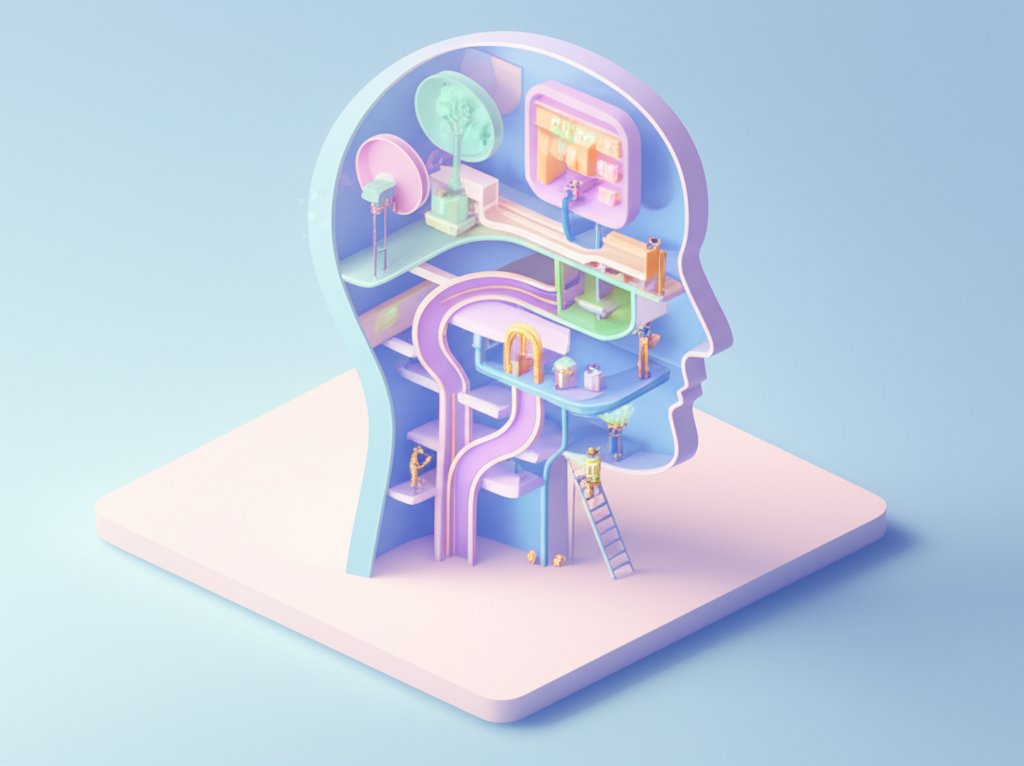
Before kindness can manifest in your actions, it often begins in your thoughts and intentions. As the saying goes, "Kindness in thinking creates profoundness." (Mao Zedong). This points to the idea that a truly kind person cultivates a particular internal landscape. They approach the world with a predisposition towards understanding, empathy, and goodwill.
This isn't always easy. Life throws curveballs, and it's natural to feel frustrated, angry, or overwhelmed. Yet, it’s precisely in these moments that the commitment to kindness is tested and refined. Abraham Joshua Heschel observed, "When I was young, I admired clever people. Now that I am old, I admire kind people." This shift in perspective underscores the enduring value of a kind spirit over mere intellectual prowess. Cleverness can be fleeting or even destructive, but kindness builds bridges and fosters connection.
To cultivate this inner architecture, start by practicing mindful awareness of your thoughts. When a judgmental or negative thought about someone arises, try to reframe it with curiosity or empathy. What might they be going through? What assumptions am I making? This internal shift makes it far more natural to express kindness outwardly. It allows you to operate from a place of genuine care, making acts of niceness feel less like an effort and more like a natural extension of who you are.
Micro-Moments, Macro-Impact: The Power of Small Acts
Many of us imagine grand gestures when we think of being "nice" or "kind." We picture heroic rescues or life-changing donations. But the wisdom in many "be a nice person quotes" suggests otherwise: it's often the small, everyday acts that truly define a compassionate life and accumulate to create significant change.
Aesop's timeless adage, "No act of kindness, no matter how small, is ever wasted," is a powerful reminder. A quick compliment, holding a door, letting someone go ahead in line, offering a listening ear—these are not insignificant. Leo Buscaglia emphasized this, noting, "Too often we underestimate the power of a touch, a smile, a kind word, a listening ear, an honest compliment, or the smallest act of caring, all of which have the potential to turn a life around." Imagine that: a simple smile could completely alter someone's difficult day.
Amelia Earhart beautifully extended this concept: "A single act of kindness throws out roots in all directions, and the roots spring up and make new trees." This isn't just poetic; it’s an accurate description of the ripple effect. Your small act of kindness towards one person might inspire them to be kind to another, and so on. It creates a positive chain reaction, spreading goodwill far beyond your immediate interaction.
Case Snippet: The Commuter's Greeting
Sarah, habitually engrossed in her phone on her morning commute, decided to try something different. Inspired by a quote about simple smiles, she made eye contact with a fellow passenger and offered a genuine "Good morning." The person, initially startled, returned a warm smile. This tiny exchange became a daily ritual for Sarah and several others on her train. It didn't solve world problems, but it fostered a micro-community of warmth, making the daily grind a little brighter for everyone involved. This showcases how small, consistent acts of niceness can slowly but surely transform ordinary moments into meaningful connections. For a wider lens on how random acts can transform your world, you can also explore our guide on Inspire your next good deed.
Navigating the Rough Patches: Being Nice When It's Hard
It���s easy to be nice when everything is going well. The real challenge, and the true measure of a compassionate person, comes when faced with adversity, stress, or even unkindness from others. How do you uphold the principle of being nice when your patience is thin, or you feel wronged?
Dalai Lama offers profound guidance here: "Be kind whenever possible. It is always possible." This isn't a call to be a doormat, but a powerful assertion of choice. Even in difficult moments, you retain the agency to respond with kindness, or at least with neutrality rather than escalating negativity. It means choosing to pause before reacting in anger, to seek understanding before judging, and to offer grace before condemnation.
Consider this scenario: You've had a terrible day, and then someone cuts you off in traffic or speaks rudely to you. Your immediate impulse might be frustration or retaliation. However, practicing kindness in this moment means recognizing that their behavior might stem from their own struggles, and your unkind response won't improve the situation. Instead, a deep breath, a conscious decision not to engage negatively, or even a silent wish of peace for that person, aligns with the spirit of universal kindness. It's about protecting your own inner peace as much as it is about extending good to others.
The Beautiful Byproduct: How Niceness Benefits You
While the focus of being nice is often outwardly directed, one of the most compelling aspects of a compassionate life is the profound positive impact it has on the person giving. Being nice isn't just altruistic; it's a powerful form of self-care and self-enrichment.
Harold S. Kushner eloquently put it: "When you are kind to others, it not only changes you, it changes the world." The "changing you" part is crucial. Acts of kindness have been shown to boost mood, reduce stress, and even improve physical health. When you contribute positively to someone else's life, your brain releases "feel-good" chemicals like oxytocin, dopamine, and serotonin, leading to a natural sense of well-being.
Elisabeth Kübler-Ross spoke of "real, unconditional love... the common fiber of life, the flame that heats our soul..." When you choose to be nice, you are essentially choosing to tap into and radiate this fundamental human need for love and connection. This resonance fills your own soul, making you feel more connected, purposeful, and genuinely happy. It creates a positive feedback loop: the more kindness you give, the more internal warmth and fulfillment you experience, which in turn makes it easier and more natural to continue being nice. It's a virtuous cycle.
Your Daily Playbook for a More Compassionate Life
Integrating "be a nice person quotes" into a practical, actionable framework means moving beyond inspiration to implementation. Here’s a playbook to help you weave kindness into your everyday existence.
1. The Morning "Kindness Intention"
Start your day with a deliberate intention. Before you even get out of bed, think about one small way you can be kind or make someone’s day a little better. It could be as simple as making genuine eye contact, offering a compliment, or being extra patient.
- Example: "Today, I will actively listen without interrupting during conversations."
- Quote Alignment: "Don't judge each day by the harvest you reap but by the seeds that you plant." —Robert Louis Stevenson. You're planting seeds of kindness.
2. The "Appreciation Trigger"
Train yourself to look for things to appreciate in others. Instead of focusing on flaws or irritations, actively seek out positive qualities or actions.
- Action: When you interact with someone, find one thing you genuinely like about them or their work, and if appropriate, share it. "I make a point to appreciate all the little things in my life..." —Dolly Parton.
- Scenario: Your barista remembers your order. Instead of just thanking them, add, "Thanks for always remembering; it makes my morning easier!"
3. The "Unasked-For Good Deed"
Look for opportunities to do something helpful or kind without being asked and without expecting anything in return. This is where "random acts of kindness" truly shine.
- Action: Offer help when you see someone struggling (e.g., carrying groceries, looking lost), or pick up litter you notice.
- Quote Alignment: "Carry out a random act of kindness, with no expectation of reward..." - Princess Diana.
4. The "Language of Empathy" Check
Before speaking, especially when you're about to give feedback or express disagreement, pause and consider how your words will land. Can you rephrase them to be constructive and kind, rather than critical or dismissive?
- Action: Practice using "I" statements to express feelings rather than "you" statements that assign blame.
- Quote Alignment: "When words are both true and kind, they can change the world" —Buddha.
5. The "Kindness Recovery" Plan
We all falter. If you catch yourself being unkind or reacting negatively, acknowledge it without judgment. Then, commit to a "kindness recovery" by intentionally performing an act of kindness soon after.
- Action: Apologize if appropriate, or perform a small, anonymous act of kindness for someone else to reset your internal compass.
- Mindset: This isn't about perfection, but about consistent effort and growth.
6. The "Daily Smile Audit"
Make it a point to smile at a certain number of strangers each day. A simple, genuine smile can be incredibly powerful.
- Action: Aim for three genuine smiles shared with strangers.
- Quote Alignment: "If you see someone without a smile, give them one of yours." —Dolly Parton. "Today, give a stranger one of your smiles. It might be the only sunshine he sees all day." - H. Jackson Brown, Jr.
Quick Answers: Demystifying Niceness
Is being nice a sign of weakness?
Absolutely not. Many great thinkers affirm the opposite. Khalil Gibran noted, "Tenderness and kindness are not signs of weakness and despair, but manifestations of strength and resolution." It takes immense courage and internal fortitude to choose kindness, especially in challenging situations. It requires self-control, empathy, and a commitment to higher values, all hallmarks of true strength.
How can I be nice when I’m feeling stressed, angry, or overwhelmed?
This is where the internal work comes in. When you feel overwhelmed, your first step should be self-compassion. Take a deep breath. Acknowledge your feelings without letting them dictate your actions. If you can't offer effusive warmth, aim for neutrality and respect. The Dalai Lama's "Be kind whenever possible. It is always possible" suggests that even in distress, you can choose not to inflict further negativity. Sometimes, the kindest thing you can do for yourself and others in such moments is to create a bit of space, manage your own emotions, and then return when you can be genuinely present.
What if my kindness isn’t reciprocated or is taken for granted?
This is a common concern. The beauty of genuine kindness, as opposed to transactional niceness, is that it is given without expectation of return. Princess Diana’s advice, "Carry out a random act of kindness, with no expectation of reward, safe in the knowledge that one day someone might do the same for you," underscores this. The reward for true kindness is often internal—the satisfaction of having acted in alignment with your values, of having contributed positive energy to the world. Don't let others' reactions diminish your commitment to being a good person. Your kindness is a reflection of you, not them.
Isn't it enough to just intend to be kind?
While good intentions are a start, they are not a substitute for action. Khalil Gibran wisely stated, "The smallest act of kindness is worth more than the greatest intention." Our intentions often stay in our heads, never manifesting into real-world impact. To truly live a compassionate life, you must translate those good intentions into tangible words, gestures, and deeds. The world changes not just by what we mean to do, but by what we actually do.
Stepping Into a Kinder Tomorrow
Embracing "be a nice person quotes" isn't about aiming for perfection, but about consistently choosing to infuse your daily life with a little more compassion, understanding, and grace. It’s a journey, not a destination, and every single step, no matter how small, counts.
The power to make the world a better place truly resides within you. As Joyce Meyer puts it, "You have the power to make the world a better place by being kind to someone today." Start small. Offer that smile. Give that compliment. Listen a little more deeply. These small, deliberate acts of niceness are the building blocks of a more compassionate life, not just for others, but for yourself. Begin today, and watch as your world, and the world around you, transforms.